
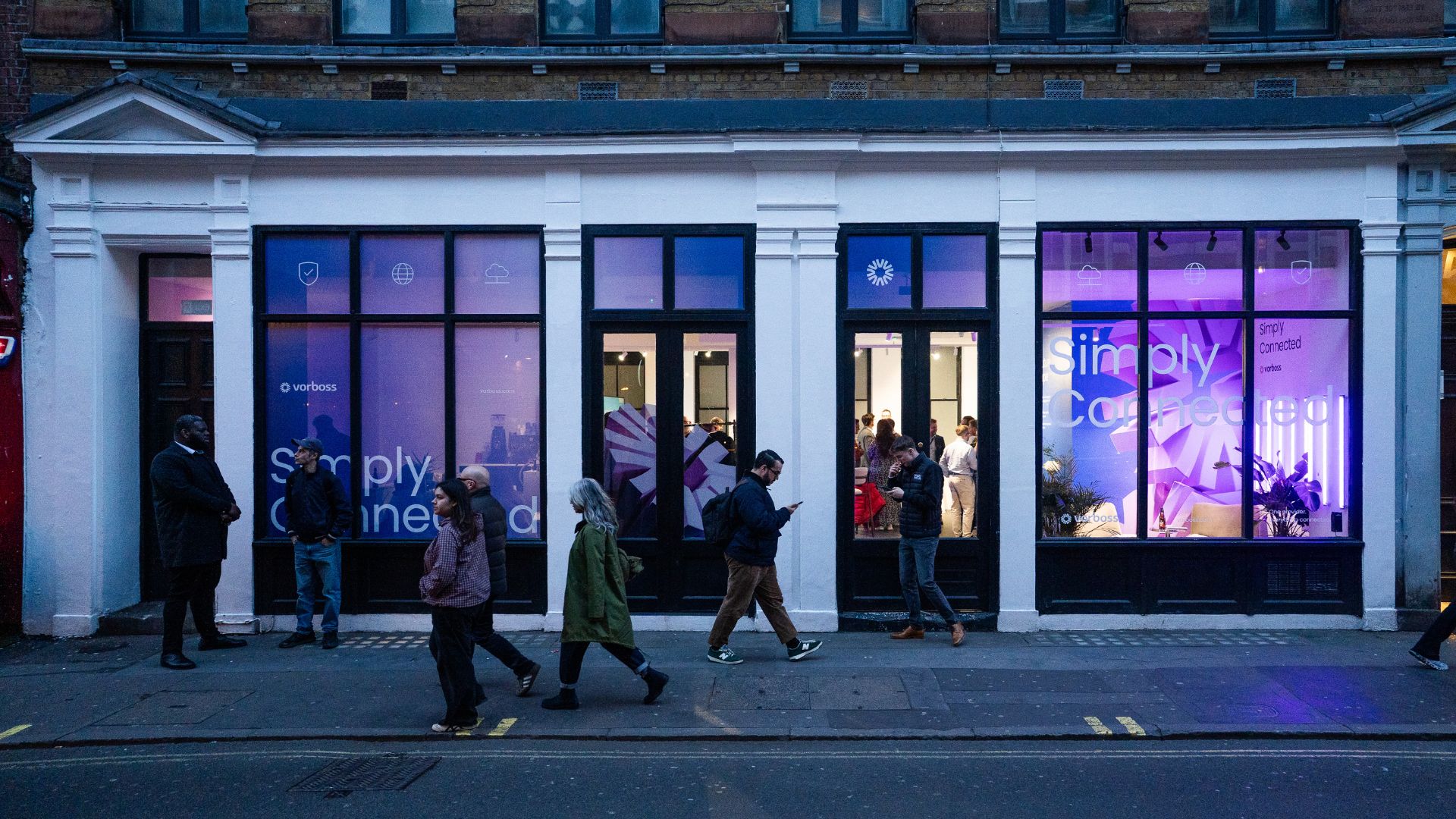
Vorboss launches Simply Connected to simplify connectivity, IT and cybersecurity management for London businesses
Happy New Year.
Remember Microsoft Paint? The simple drawing tool that many of us used to create pixelated masterpieces in our youth? It's not an app you use very much these days. But what if I told you there's a reason you might want to revisit it right now?
Microsoft Paint is getting a serious upgrade in Windows 11 – and it's all about AI.
The big news is the introduction of Dall-E 3 support to Paint, or as it's known in the app, Cocreator.
Sound familiar?
If you've seen the feature in Bing AI, you know it's a game-changer. This isn't just any old image creation feature. With Cocreator, you can tell it what you want, specify an art style, and an image based on your description magically appears.
And this isn't some gimmicky add-on. When Cocreator first rolled out with Bing Chat (now called Copilot), there was a massive rush to use the image generation capability. And the buzz around how good it is? Well, let's just say it's been substantial.
Sure, there have been a few hiccups along the way, but when it comes to AI, a bit of turbulence is par for the course.
Windows Latest reports that Cocreator in Paint has left the testing phase and is ready for prime time – it’s now rolling out to all Windows 11 users.
If you’re not seeing the Cocreator feature yet, don't worry, it's coming. Just make sure you're running the latest version of Paint. If Microsoft asks you to sign up for the waiting list, do it.
The Cocreator feature isn't the only new addition to Paint. The app has been significantly beefed up this year. We're talking a transparency effect, layers (a much-requested functionality), and even background removal. And these improvements aren't just for Paint, Microsoft's core Windows 11 apps are also getting a makeover.
At this point, you might be thinking, "That's all well and good, but how does this help my business?"
Well, imagine being able to create custom graphics for presentations, reports, or social media posts in seconds. Think about how much time and money that could save.
With Cocreator, anyone on your team can become a graphic designer. No need for expensive software or lengthy training; just describe what you want, and let AI do the rest.
Raring to try this one out (it’s a nice way to start the new year)? You’ll need to have Windows 11 installed. If we can help with that, or any other tech problem this year, get in touch.
Ever had one of those days where you feel like your inbox is staging a coup against your productivity?
You're not alone!
In fact, a recent study revealed that 80% of our communications are still happening via email.
Yes, despite all the apps, chat services, and digital tools we have at our disposal, we're still stuck in our old ways, sifting through an avalanche of emails. It's like using a carrier pigeon in the age of the telephone.
The study also found that employees are wasting precious hours navigating through a maze of apps. Imagine this: Your employee is about to send an important report but gets lost between Slack, Teams, Google Docs, and a dozen other tools. It's like playing a never-ending game of digital hide-and-seek. And spoiler alert: It's not fun.
What about video conferencing? That's got to be better, right? Well, not quite. Sure, it gives us the illusion of being productive, but the truth is, most employees find only three in five meetings genuinely valuable. The rest? Unproductive.
And let's not forget about the constant need to repeat or clarify ourselves. We're talking about 74% of workers having to repeat themselves some of the time, with almost a quarter saying this happens often. It's enough to make you want to scream into the void, isn't it?
So, what's the solution?
Well, it's time to take a step back and rethink your digital strategy.
Instead of piling on more apps and tools, why not work with a technology strategist who can help you create a plan that makes sense for your business? Think of us as the Marie Kondo of the digital world, helping you declutter your digital workspace and sparking joy (and productivity) in your team.
If you’re ready to get away from the endless loop of emails and app notifications and boost your productivity again, let us help.
Microsoft is soon going to release its latest update for Windows 11, known as "Moment 5" or the "February 24 Moment." This update is expected to start rolling out in the next few weeks and it comes with some noteworthy changes that you'll want to keep an eye on.
But first, let's address one thing: After this update, Microsoft is going back to its roots with annual updates for Windows 11.
What does that mean for you? Well, it means you can expect more stability and fewer major overhauls to your operating system. It's time to bid farewell to those frequent "moment" updates and embrace a more predictable schedule.
Now, let's dive into what Moment 5 has in store for us…
One of the standout features of this update is the enhancement of Windows 11's built-in accessibility features. Microsoft is improving the user experience for those who rely on these.
Voice Access now supports multiple monitors and additional languages. It introduces "voice shortcuts" for custom voice-activated commands. Narrator gains the ability to preview new natural voices and works alongside voice access for various tasks.
One notable change is the ability to write directly into text boxes using a stylus across the operating system. This feature streamlines the use of digital pens, eliminating the need for a dedicated handwriting panel.
For the first time ever, Microsoft is making some in-box apps uninstallable. Apps like Edge, Camera, and Photos can be removed if you don't intend to use them.
Microsoft is also making the Windows Search pane more flexible. This update allows third-party search providers like Google or Yahoo to create plugins for the Windows Search pane. So, if you prefer another search engine over Bing (and let’s face it, many of us do), you'll have the option to switch.
The Nearby Share feature (it’s like Apple's AirDrop) gets a boost with "friendly name" support. You can give your PC a more readable name, making file sharing more user-friendly. Additionally, Windows Spotlight, which displays Bing's background of the day, will become the default wallpaper setting.
Copilot is getting better. It can now be "undocked," making it more versatile and accessible. You'll also find the Copilot interface in the Windows ALT+TAB menu for quick and easy access.
And Microsoft is making changes to the Widgets Board. You’ll be able to disable Microsoft News integration, allowing for a widget-only layout if you prefer not to have news headlines in your Widgets Board. Plus, third-party news services can build plugins to integrate with the Widgets Board, providing more options for users.
Notepad will include a character count feature and an "Edit with Notepad" shortcut in context menus for select file types.
In a nutshell, Moment 5 brings a host of improvements and enhancements to Windows 11, making it more accessible, user-friendly, and versatile.
For business owners, these updates can improve productivity and streamline workflows for you and your team.
If you haven’t already made the move to Windows 11, now’s the time!
We can help you with that – get in touch.
Google has unleashed a powerful new tool to make your Gmail inbox a safer and spam-free haven, and it's called RETVec.
But what exactly is RETVec?
Well, let's break it down in simple terms. RETVec stands for Resilient and Efficient Text Vectorizer. Fancy. In plain English, it's a tool that makes Gmail even better at spotting annoying spam emails that try to sneak into your inbox.
Did you know that the people behind spam emails can be very smart to try to avoid detection? Some use invisible characters, something called LEET substitution (like "3xpl4in3d" instead of "explained"), and intentional typos to get past our defences. But RETVec is trained to be resilient against all these tricks.
Google explains it as mapping words or phrases to real numbers and then using these numbers for further analysis, predictions, and figuring out word similarities. In short, it's like giving Gmail a supercharged spam radar.
How does this benefit you? Gmail's spam detection rate shot up by an impressive 38% with RETVec on the scene. Plus, Gmail's false positive rate dropped by nearly a fifth (that's 19.4% fewer false alarms).
I know that some of you might be wondering if there’s a catch. Well, there's a tiny caveat you should be aware of, especially if your business sends promotional emails.
With RETVec's increased vigilance, some legitimate emails might get caught in the crossfire. It's a good idea to keep an eye on your email analytics to ensure your messages reach their intended recipients.
RETVec isn't just about better security. It's more efficient too. Google reports that the Tensor Processing Unit (TPU) usage of the model dropped by a whopping 83%. Smaller models mean reduced computational costs and faster delivery, which is a game-changer for large-scale applications and on-device models. So, it's a win-win situation.
Spam is a go-to weapon for cyber criminals and now RETVec can help keep us better protected. It blocks malicious emails, keeping our data safe and our inboxes clutter-free.
If you don’t use Gmail, don’t feel too left out. It’s likely we’ll see other email providers, including Microsoft, bringing similar protection in the future.
In the meantime, if you’d like us to review your business’s email security, get in touch.
Microsoft’s at it again, presenting us with new features week after week. This time it’s all about making our online searches smarter and more efficient in the Edge browser. If you’ve been on the fence about switching to it, this might just be the push you need.
Edge has a cool new feature, as revealed by Mikhail Parakhin, CEO of Advertising and Web Services at Microsoft. Imagine this: you're searching for something important for your business – maybe it's market research or the latest trends in your industry. You type in your query, and you get results from not one but two search engines at the same time.
How does it work?
Let's break it down. Say Bing is your default search engine. Now, when you hit the search icon, you won’t just see Bing's results, you'll also get a peek at what Google (or your alternative search engine of choice) has to offer. This dual view works both ways, ensuring you're not missing out on any valuable information.
In business, information is gold. Having access to comprehensive search results means you're more likely to find the most relevant, diverse, and valuable information. No more switching between browsers or tabs to compare search results – Edge now does that for you in a single view.
Some people have raised concerns about potential visual clutter from combining two engines' results. It's a valid point, and thankfully, Microsoft is listening. Parakhin hinted at the possibility of customising your 'backup' search engine to streamline the experience. While the sidebar's width is currently fixed, there's an openness to explore deeper customisation options soon.
This feature in Edge is quite a lure. It simplifies the task of searching, making research quicker and more effective. You get the best of both worlds without the hassle of juggling multiple windows.
And it’s more than just a convenience; it's a step towards smarter, more efficient browsing, especially for us in the business community. It demonstrates Microsoft's commitment to improving user experience and staying competitive in the browser game.
For current Edge fans, this is an exciting upgrade. For everyone else, it's a compelling reason to consider making the switch.
Need a hand finding time-saving tools for your business? Get in touch.
You've probably been considering how to harness the potential of AI to boost your company's efficiency and productivity.
But there's a small problem. A recent study revealed something fascinating but not entirely surprising: A trust gap when it comes to AI in the workplace.
While you see AI as a fantastic opportunity for business transformation, your employees might be sceptical and even worried about their job security.
Here's a snapshot of the findings:
62% of C-suite executives welcome AI, but only 52% of employees share the same enthusiasm.
23% of employees doubt their company’s commitment to employee interests when implementing AI.
However, 70% of business leaders believe that AI should include human review and intervention, showing they view AI as an assistant rather than a replacement.
Now that we understand the situation, how can you introduce AI gently and reassure your employees that their roles are safe?
Start by having open and honest conversations with your employees. Explain why you're introducing AI and how it will benefit both the company and individual roles. Show them that AI is meant to be a helping hand, not a jobs terminator.
Invest in training that helps your people acquire the skills they need to work alongside AI. Make them feel empowered by showing that it can make their jobs more interesting and valuable.
Emphasise that your AI initiatives are designed to enhance human capabilities, not replace them. Let your team know that it will handle repetitive tasks, allowing them to focus on more creative and strategic aspects of their work.
Develop clear guidelines for responsible AI use in your business. Highlight your commitment to ethical practices and ensure that employees are aware of these policies.
Involve your employees in the implementation process. Seek their input, listen to their concerns, and make them part of the solution. This shows that you value their contributions.
Encourage a culture of continuous learning. Let your employees know that they'll have opportunities for ongoing education and development, ensuring they stay relevant and valuable in the AI-driven workplace.
Introducing AI into your workplace doesn't have to be a cause for concern among your employees. AI is a tool for growth and innovation, not a threat to job security.
If we can help you introduce the right AI tools in the right way, get in touch
Latest from the press room
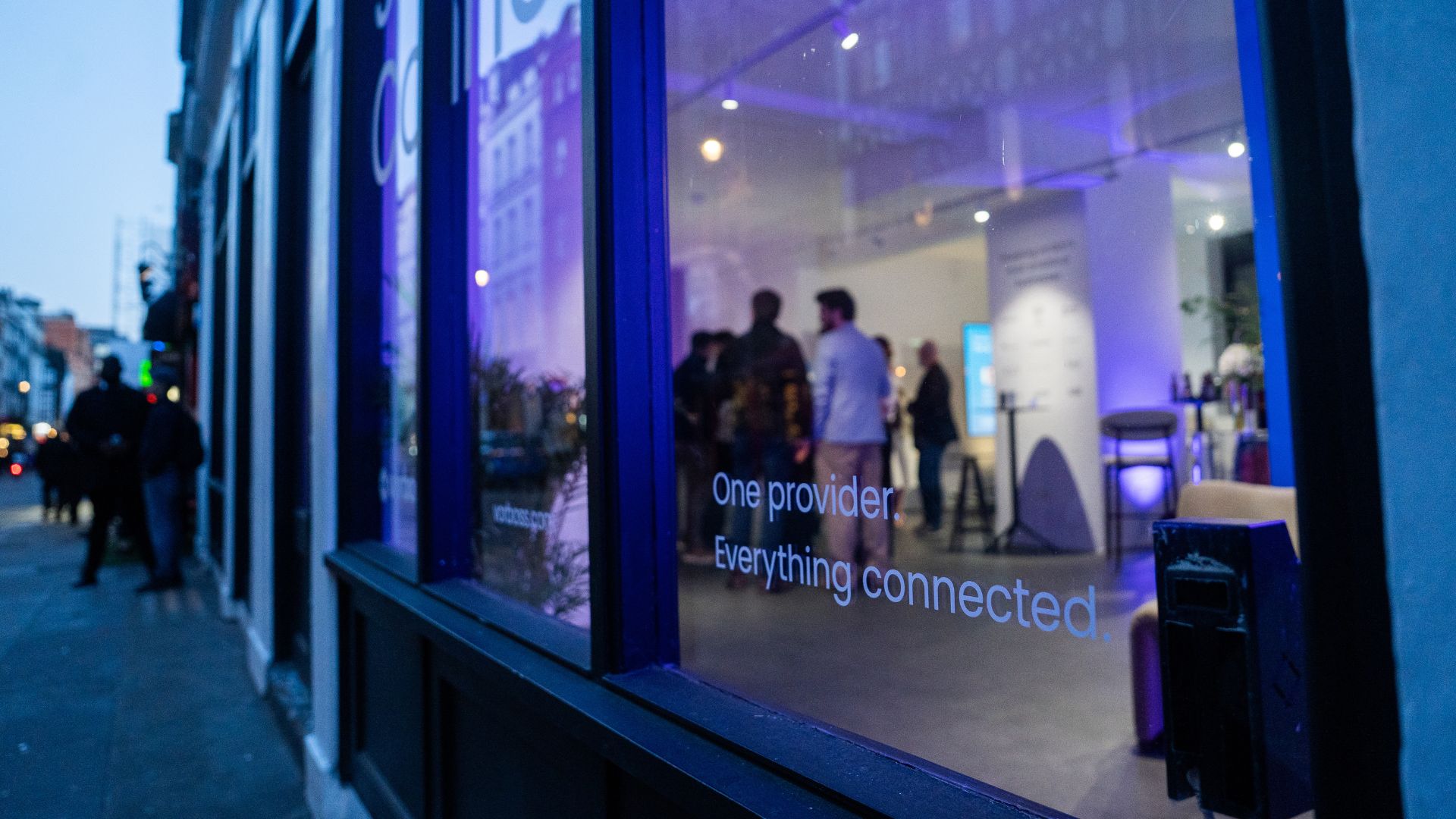
As companies grow, so does the technology behind them. Connectivity, IT and cybersecurity often end up spread across multiple suppliers, contracts and support models. Simply Connected brings it all together under one provider, making it easier to manage, easier to support, and clearer to understand costs.
At the heart of it is Vorboss’ own fibre network spanning over 750km across London, built, owned and operated in-house, with the same team designing, installing and managing the full setup end-to-end.
“Office technology has become overcomplicated,”
said Rhod Morgan, Chief Operations Officer at Vorboss.
“Many businesses have the right services on paper, but the experience feels disjointed. We wanted to remove the grey areas. Customers manage one relationship, have access to local support and receive one predictable monthly bill. The same team that builds the solution runs and supports it day-to-day.”
Simply Connected includes modular services that flex around each business and scale as it grows:
- Dedicated internet connectivity from Vorboss
- Fully managed office networks
- Managed IT and hardware provisioning
- Cybersecurity
- Ongoing support delivered by local London experts

Vorboss is powering the ambitions of London’s businesses with blazing-fast connectivity, managed IT, and serious cybersecurity. As we grow, we are focused on building a team that reflects the diversity of the customers we serve.
This year’s gender pay gap results mark a clear step forward, with both our median and mean pay gaps in favour of women, placing us ahead of the UK benchmark.
We recognise that lasting change depends on improving representation across roles and levels, and we are taking deliberate action to support this through inclusive hiring, clear career pathways and ongoing development. We are proud of the progress made and remain committed to achieving gender parity across Vorboss by 2028.
Read the full report here.

.avif)

.avif)
