
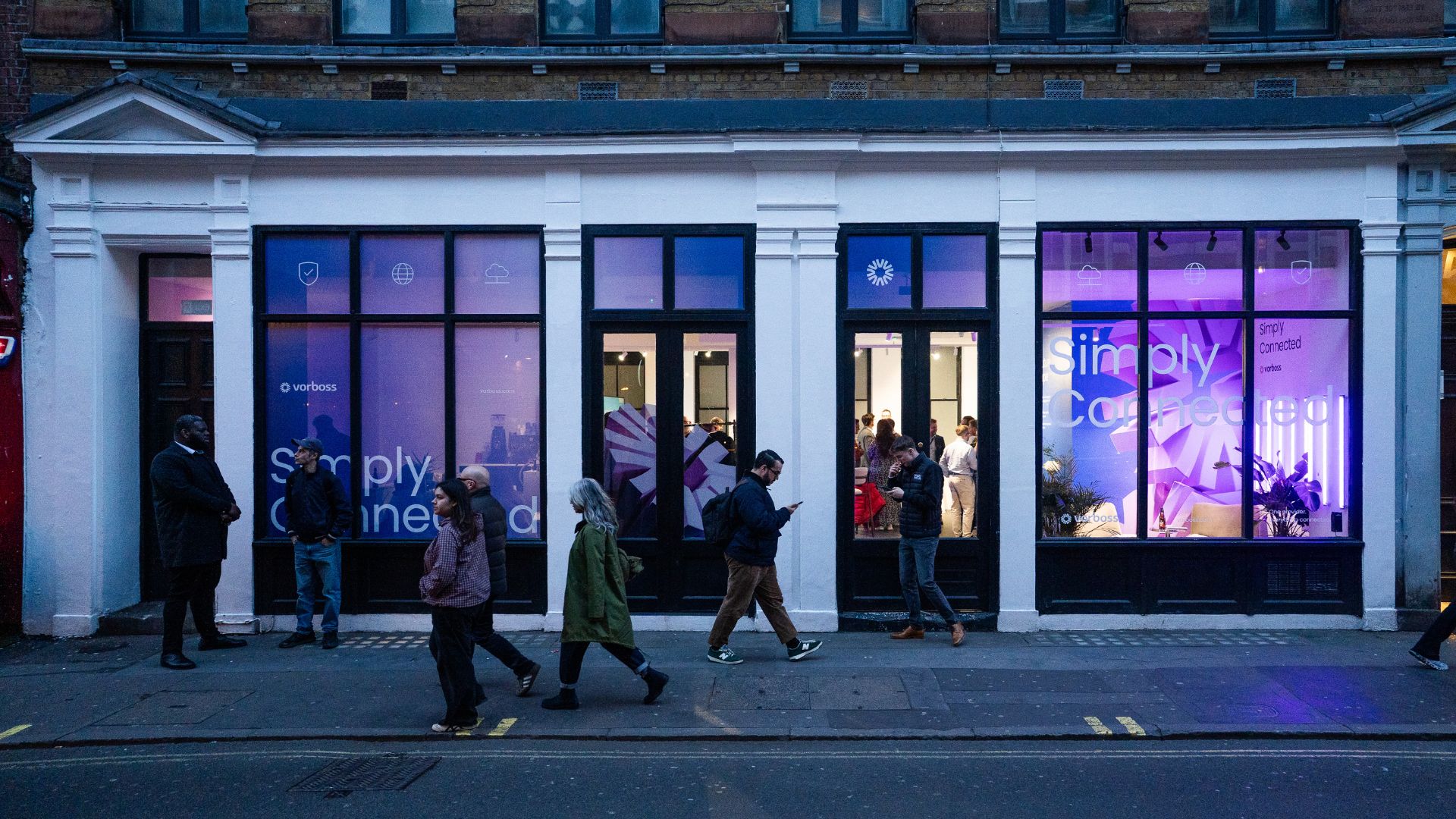
Vorboss launches Simply Connected to simplify connectivity, IT and cybersecurity management for London businesses
How often have you been in the middle of an urgent email, attaching a critical file, only to be met with the dreaded notification – "file too large to send"?
Frustrating.
Well, Microsoft has heard our collective sighs of exasperation. They've announced an update that promises to banish the 'file too large' issue.
And this is one of those rare times where something that feels too good to be true is actually true!
In an official post on the Microsoft 365 roadmap, the tech giant’s revealed its plan to integrate Outlook with Microsoft's OneDrive cloud storage platform.
It means when you hit that attachment size limit, Outlook will ask you to upload your file to OneDrive, so your document still reaches the intended recipient.
Clever, don't you think?
Android devices get this new feature first, but the rollout is due this month for everyone else. We don't have long to wait.
Soon you’ll no longer need to compress, resize, or even abandon your large files. Or turn to third-party services (which can be a security risk). Microsoft's paving the way for a smoother, more efficient email experience.
If you’d like a hand getting more from your Microsoft 365 subscription, get in touch.
If there’s one thing that’s 100% certain when it comes to protecting your business data, it’s that you need to be aware of phishing emails.
First things first, what exactly is a phishing email? Picture it as a wolf in sheep's clothing, posing as a legitimate communication to deceive unsuspecting recipients. These emails often contain malicious links, attachments, or requests for sensitive data, all disguised as a business or person you already know and trust.
And you know what they say: Knowledge is power. One of the best ways to stay safe is to stay informed. We can do that by looking at the most common phishing emails of last year.
There are three main categories of phishing themes: Major, moderate, and minor.
Major themes
The biggest category is finance-related phishing emails, making up a huge 54% of attacks. These emails often contain pretend invoices or payment requests, aiming to lure recipients into giving away financial information.
Following closely are notification phishing emails, making up 35% of attacks. These emails prey on urgency, claiming your password is about to expire or you must take some urgent action.
Moderate themes
Document and voicemail scams take centre stage here, accounting for 38% and 25% of attacks respectively. These tactics involve deceptive files or messages designed to trick you into compromising your security.
Minor themes
While less common, minor phishing themes still pose a risk to people who don’t know what to look out for. These include emails related to benefits, taxes, job applications, and property.
Why should you be concerned about phishing emails? Falling victim to these scams can have serious consequences, including financial loss, data breaches, and damage to your company's reputation. It's essential to educate your employees about the dangers of phishing and put in place robust cyber security measures to protect your business.
Awareness and vigilance are your best defences against phishing attacks. By staying informed, training your employees, and using strong security protocols, you can safeguard your company's valuable assets from cyber threats.
We help businesses like yours stay safe. If you’re not 100% sure you’re fully protected… let’s talk.
It’ll come as no surprise, but Microsoft has yet more exciting news for us. Sometimes we wonder if they allow their employees to sleep!
This time it’s a new browser explicitly aimed at businesses: Edge for Business.
The updated browser has security and productivity features perfect for employers and their teams.
Edge for Business could become the best choice for browsing the web on work-related devices, whether they’re managed or unmanaged. That’s because it will allow companies to maintain a level of control over employees without intruding on their privacy.
And that’s perfect for the way many of us work today. If you're a Bring Your Own Device (BYOD) company, Edge for Business will also be the perfect solution for you.
One of the best things about Edge for Business is that it separates work and personal browsing automatically into dedicated browser windows. It has its own favourites, separate caches and storage locations.
And some sites will automatically open in the relevant browser like Microsoft 365 will go straight to your work browser, whereas a shopping site will open in your personal browser.
That means you don't have to worry about accidentally sending a colleague that funny meme you saw on social media.
Edge for Business is currently available to test, but although we understand that you’ll be eager to try it, we advise holding off until its official launch in the autumn. Let others be the guinea pigs.
And Microsoft has yet to add custom branding capabilities for businesses, but they promise that’s coming soon. The anticipation is half the fun, right?
Edge for Business aims to bridge the gap between work and personal on the same device, ensuring that personal and professional information remains separate and secure. With this new and exciting business browser, you’ll enjoy heightened productivity and security.
If we can help you stay productive and secure in the meantime, get in touch.
Have you heard the saying, "A picture is worth a thousand words"?
Cybercriminals have too, and they're using it to their advantage.
In a new twist on phishing campaigns, cybercriminals are luring victims to click on images rather than downloading malicious files or clicking suspicious links. Let's dive into the warning signs, so you can keep your business safe from these sneaky attacks.
First things first, what's the big deal about clicking on an image? It might be promoting a killer deal or one-time offer. But when you click on the image, you don’t go to the real website. Instead, it’s a fake site designed to steal your personal information.
Imagine being lured in by a cute cat photo only to find out that Mr Whiskers was a wolf in sheep's clothing! Not so cute anymore, right? So, how can you tell if an image is part of a phishing campaign?
Here are some warning signs to look out for:
- Unexpected emails: Did you receive an email from someone you don't know or weren't expecting? Be cautious! It's like accepting sweets from a stranger – you never know what you're getting yourself into
- Too good to be true: If an email promises you a free holiday or a million pounds just for clicking on an image, remember the golden rule: if it sounds too good to be true, it probably is.
- Spelling and grammar mistakes: We all make typos, but if an email is riddled with errors, it could be a sign that something is going on.
- Mismatched logos or branding: If an email claims to be from a reputable company but the logo or branding doesn't match up, assume it’s a scam
Now that you know what to look for, let's talk about how to protect your business from these image-based phishing attacks:
- Educate your employees: Knowledge is power! Make sure your team is aware of the latest phishing tactics and knows how to spot the warning signs.
- Keep software up-to-date: Just like you wouldn't drive a car with bald tyres, don't let your software become outdated. Regular updates help patch security vulnerabilities that cyber criminals might exploit.
- Use strong passwords: It might be tempting to use "password123" for all your accounts, but resist the urge! A strong, unique password for each account can help prevent unauthorised access. Using a password manager is even better.
- Enable multi-factor authentication (MFA): MFA adds an extra layer of security by requiring people to verify their identity through another method, such as a text message or fingerprint scan.
- Backup your data: In case disaster strikes, make sure you have a backup of all your files. That way, you won't be left high and dry if your data is compromised.
Whilst cyber criminals are getting smarter and smarter with their tactics, there's no need to panic. By being aware of the warning signs and taking proactive steps to protect your business, you can stay one step ahead of these digital tricksters.
Remember, not all that glitters is gold – or in this case, not every cute cat picture is just a cute cat picture. Stay vigilant, and don't let the scammers win!
Are you aware that the rise in global VPN usage has skyrocketed? The reasons are clear as day: Virtual Private Networks offer increased security, anonymity, and allow access to geo-restricted content online.
But here's the million-dollar question: Are all VPNs created equal?
The answer is a resounding no. And that has potential implications for your business.
Although tempting with their zero-cost allure, free VPNs aren’t always what they promise to be. Why, you ask? Let's take a closer look at free VPN services.
For starters, it's important to understand that running a VPN service comes with substantial costs. Servers, infrastructure, maintenance, staff – these aren't free.
So how do free VPN providers keep the lights on? Some employ tactics that could compromise your privacy and security.
Imagine this: You're sipping your morning coffee, browsing the net through a free VPN, believing your online activities are private. Your sensitive information might be collected and sold to the highest bidder.
Cyber criminals, advertisers, even government agencies could potentially get their hands on your data.
Shocking, isn't it?
Moreover, free VPNs are notorious for injecting unwanted ads and tracking cookies into your browsing sessions. Ever wondered why you're suddenly bombarded with eerily accurate ads? It's probably your free VPN service cashing in on your browsing habits.
Now, consider the potential danger if an employee downloads a free VPN on a company device, or on their personal device that they use for work. Company data could be exposed, representing a significant business risk. Picture a scenario where your company's sensitive data falls into the wrong hands - a chilling thought.
So, what do you think is the solution?
Educating your employees about the risks associated with free VPNs is crucial. Encourage the use of reliable, paid VPN services that guarantee no data logging, robust encryption, and superior user privacy.
In fact, you may choose to provide one to them. If we can help you find the safest, most suitable VPN for your business, please feel free to get in touch.
Remember, when it comes to online security, free often comes at a higher cost. Isn't it worth investing a few ££ a month to protect your company's valuable information?
You’ve checked your pockets, your bag, under cushions… and then it hits you. You left your work phone on the table at the coffee shop.
You panic.
It's not the device itself that’s got you worried, but all the sensitive business information stored on it. If that mobile ends up in the wrong hands, you’re facing a nightmare.
But that worry could be over. Microsoft and Samsung are joining forces to make your work phones safer. This month, they’re launching a groundbreaking solution to help protect anyone who uses a Samsung Galaxy device in the workplace.
How?
With something called on-device attestation. It lets companies see if mobile devices have been compromised, even at their deepest components. Think of it as a security guard for your phone.
Samsung brings its software and hardware innovations to the table, whilst Microsoft provides its endpoint management expertise.
And whilst other device attestation tools require a network connection and access to cloud services, this solution works reliably regardless of network connectivity or device ownership model.
This solution will be released alongside Microsoft Intune (previously known as Windows Intune), a unified endpoint management service for both corporate devices and BYOD (Bring Your Own Device). And it will be available to select Samsung Galaxy smartphones and tablets, especially those "Secured by Knox".
So, whether you're working from the office, a busy coffee shop, or a remote cabin in the woods, you can rest assured your device is safe.
In business, your phone is more than just a communication device. It's a vault of sensitive (and valuable) information. And with Microsoft and Samsung on the case, that vault just got a lot safer.
Latest from the press room
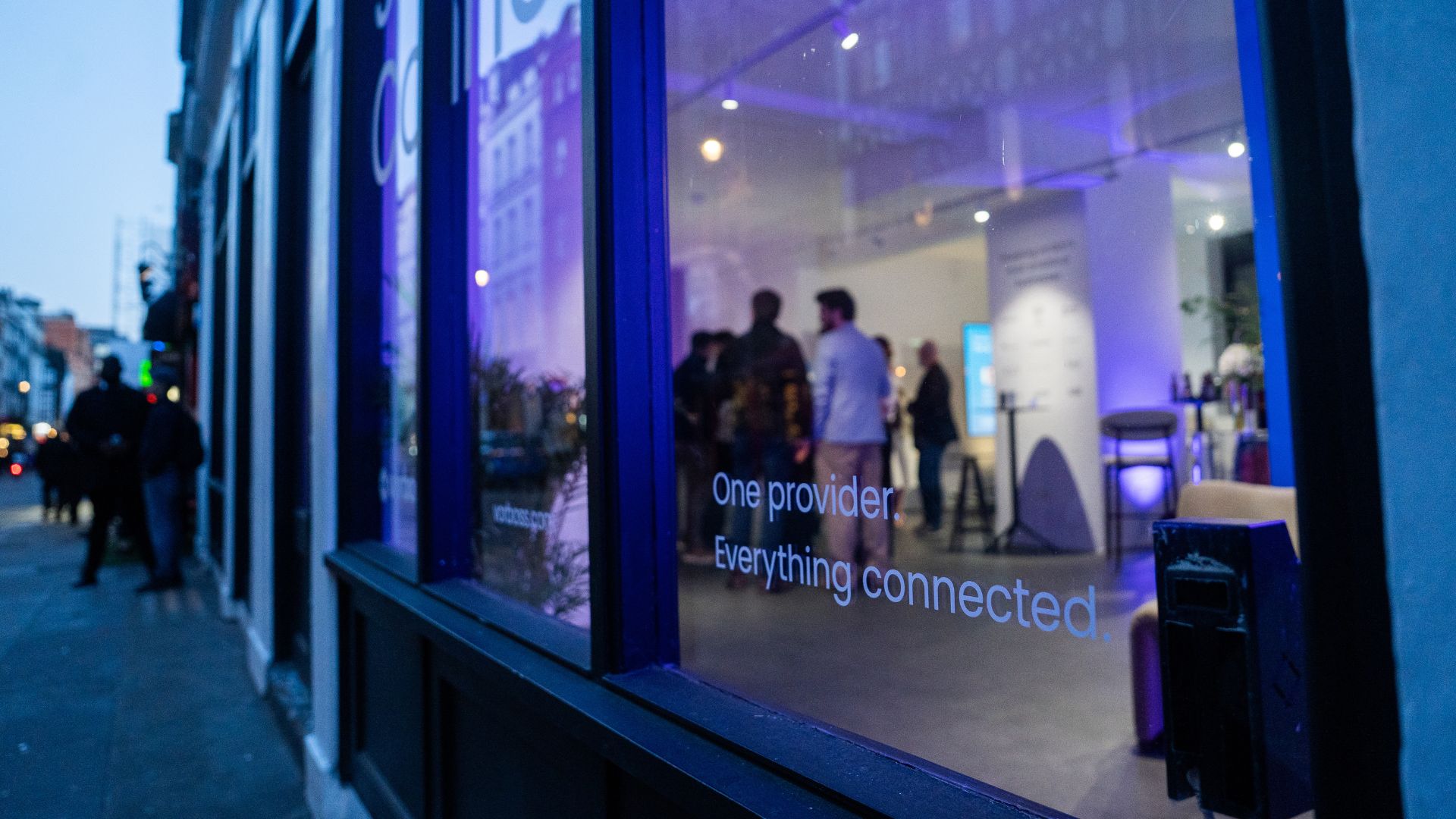
As companies grow, so does the technology behind them. Connectivity, IT and cybersecurity often end up spread across multiple suppliers, contracts and support models. Simply Connected brings it all together under one provider, making it easier to manage, easier to support, and clearer to understand costs.
At the heart of it is Vorboss’ own fibre network spanning over 750km across London, built, owned and operated in-house, with the same team designing, installing and managing the full setup end-to-end.
“Office technology has become overcomplicated,”
said Rhod Morgan, Chief Operations Officer at Vorboss.
“Many businesses have the right services on paper, but the experience feels disjointed. We wanted to remove the grey areas. Customers manage one relationship, have access to local support and receive one predictable monthly bill. The same team that builds the solution runs and supports it day-to-day.”
Simply Connected includes modular services that flex around each business and scale as it grows:
- Dedicated internet connectivity from Vorboss
- Fully managed office networks
- Managed IT and hardware provisioning
- Cybersecurity
- Ongoing support delivered by local London experts

Vorboss is powering the ambitions of London’s businesses with blazing-fast connectivity, managed IT, and serious cybersecurity. As we grow, we are focused on building a team that reflects the diversity of the customers we serve.
This year’s gender pay gap results mark a clear step forward, with both our median and mean pay gaps in favour of women, placing us ahead of the UK benchmark.
We recognise that lasting change depends on improving representation across roles and levels, and we are taking deliberate action to support this through inclusive hiring, clear career pathways and ongoing development. We are proud of the progress made and remain committed to achieving gender parity across Vorboss by 2028.
Read the full report here.

.avif)

.avif)
